
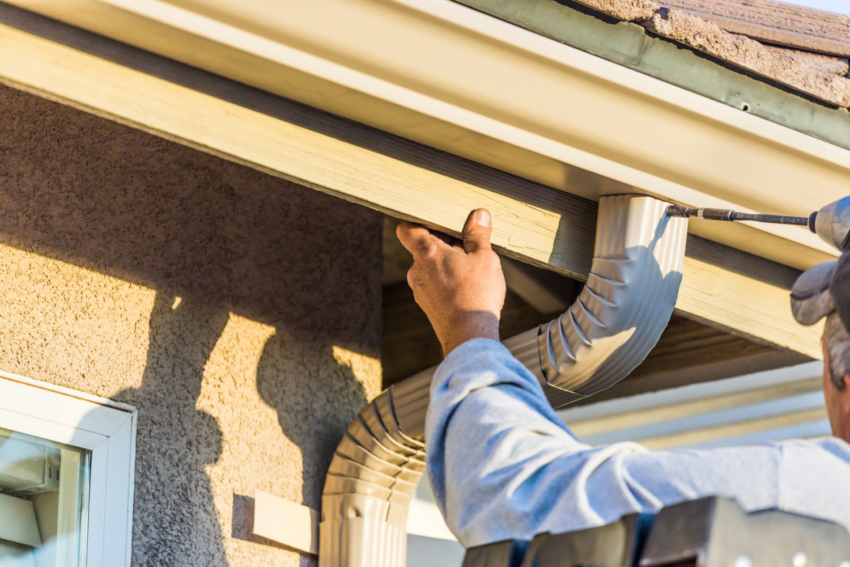
Proper gutter installation is essential for protecting a home from water damage. Gutters guide rainwater away from the roof and foundation, preventing leaks, soil erosion, and structural problems. A poorly installed gutter can cause more harm than good, so following the right steps is crucial.
Homeowners can save money and avoid headaches by ensuring gutters are installed correctly the first time. Understanding simple but effective tips can make the process smoother and improve the longevity of the gutter system.
Plan the Layout Carefully
Before starting the gutter installation, it is important to plan the layout. Measure the length of the roof and determine where downspouts will go. Downspouts must direct water at least a few feet away from the house to prevent foundation damage.
Planning also involves checking the slope of the gutters. A slight downward slope towards the downspouts ensures water flows properly and does not pool. Taking the time to plan the layout carefully reduces mistakes during installation and ensures a fully functional system.
Choose the Right Materials
Selecting the right materials for gutters is essential for durability and efficiency. Aluminum gutters are lightweight and resist rust, making them a popular choice. Steel gutters offer strength but require more maintenance to prevent corrosion.
Vinyl gutters are inexpensive and easy to install, but they may not last as long in harsh weather. The material choice should match the climate, house style, and budget. Using quality materials improves performance and ensures gutters last for many years without frequent repairs.
Install Secure Brackets and Fasteners
Brackets and fasteners hold gutters firmly in place and prevent sagging or detachment. Install brackets along the gutter line at regular intervals, usually about every two feet. Fasteners should anchor securely to the fascia board or roof edge.
Loose brackets allow gutters to bend under the weight of water or debris, which can lead to leaks. Ensuring that brackets and fasteners are strong and properly positioned provides stability and protects the entire gutter system from damage caused by heavy rainfall or snow.
Check the Slope and Alignment
The slope and alignment of gutters play a key role in effective water drainage. Gutters should slope about a quarter inch for every ten feet toward the downspouts. Proper alignment ensures that water does not pool in low spots, which can cause rust, mold, and overflow.
Regularly checking the slope during installation prevents future problems. Even small adjustments can make a big difference in how efficiently the gutter system directs water away from the house, protecting both the roof and foundation.
Seal Joints and Test the System
Sealing joints and testing the system is the final step of installation. Use waterproof sealant at gutter seams, corners, and connections to prevent leaks. After sealing, run water through the gutters to check for proper flow and drainage.
This test identifies any blockages or areas where water may escape. Fixing leaks and ensuring smooth water flow guarantees that gutters perform as intended. Proper sealing and testing add extra protection and extend the life of the gutter system.
Conclusion
Gutter installation may seem simple, but it requires careful planning, the right materials, and proper techniques. Following these tips helps ensure gutters work efficiently and protect the home from water damage.
Planning the layout, choosing strong materials, securing brackets, checking slopes, and sealing joints are key steps for success. A well-installed gutter system improves the safety and value of a home while preventing costly repairs in the future.