
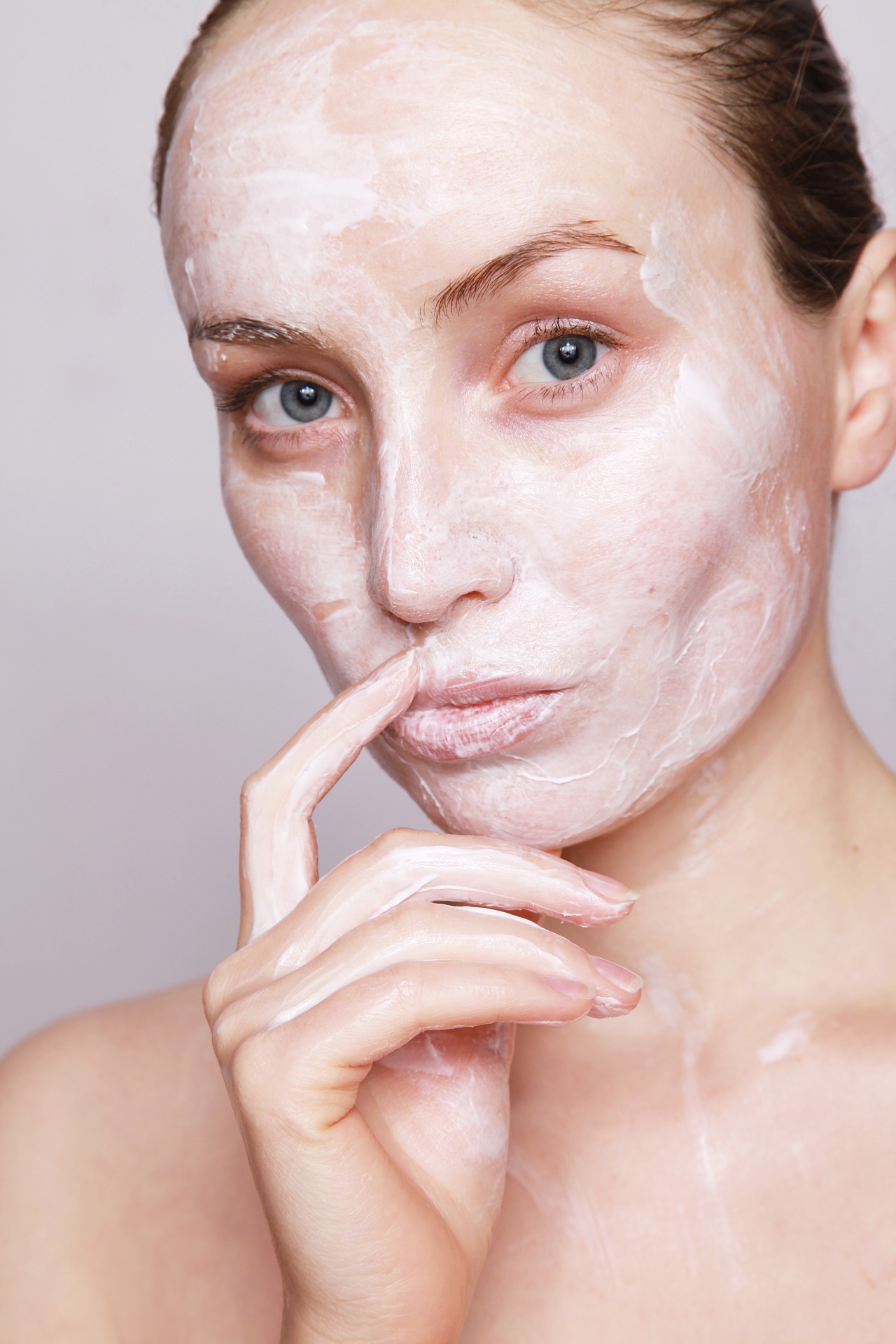
Milia are harmless and usually clear up within several weeks to months on their own, though some people opt to have them removed instead.
Extraction is often the best method of removal; however, exfoliating products, toners with alpha hydroxy acids and cleansers containing salicylic acid may also prove effective.
Causes
Milia are caused by trapped dead skin cells that form cysts below the surface of the skin. Although skin attempts to shed these dead cells by producing new ones on top, sometimes this process becomes interrupted, leaving older cells trapped beneath its surface.
Milia are small red or inflamed areas that appear anywhere on the body, typically on the face, scalp, neck, shoulders and arms or upper chest. While they often resemble acne in appearance and size, milia are distinct as they don’t form in pores and don’t become red or inflamed over time.
Milialar are generally harmless and should disappear on their own within weeks to months; if they’re bothersome or unsightly, a health care provider can perform a minor procedure to remove them. Squeezing or popping them yourself may damage or scar the skin; instead use an exfoliant with salicylic acid or glycolic acid twice weekly to encourage them to dissolve more quickly.
Symptoms
Milia skin can appear as white or yellow bumps that form either individually or in clusters, unlike pimples they do not itch or hurt and usually do not cause discomfort. Common places they appear include face, scalp, genitals and arms due to sun damage and friction from clothing or other sources.
Milia are typically benign and do not require treatment unless they obstruct vision (such as neonatal milia) or cause significant discomfort. However, it’s important to avoid picking at them, which could cause irritation and scarring.
When milia appears, it is best to visit a dermatologist or skincare specialist immediately. They can make an accurate assessment based on how the cysts look, recommend the appropriate procedure and suggest regular skin checks as preventative measures against future milia formation as well as identify any issues that could have contributed to its appearance.
Diagnosis
Milia are easy for doctors to diagnose because they resemble tiny cysts. Newborns frequently develop them, and most disappear within several weeks or months without treatment. Milia may appear anywhere on the face – around eyes and nose particularly; or on genitalia, chest or trunk.
Avoiding milia by choosing non-comedogenic, oil-free skincare products can help. Exfoliating two or three times each week helps remove dry cells before they get trapped into pores and form milia.
Your doctor may suggest a skin biopsy in order to diagnose milia. This involves extracting a small piece of skin for examination under a microscope. Some rare blistering diseases, like porphyria cutanea tarda and epidermolysis bullosa, can trigger them. Certain medications, like tretinoin or minocycline can also bring on these bumps; destruction curettage medications allow cysts to be scraped off and destroyed with extreme heat.
Treatment
Primary milia typically resolve on their own within weeks or months (particularly among infants). If they persist longer than expected or appear in areas not suitable for treating with over-the-counter products like adapalene gel or prescription tretinoin cream, consult with your healthcare provider regarding possible professional removal techniques.
At various stages, these treatments may range from simple extraction involving poking the cysts and extracting their contents with needles to electrocautery, chemical peels or laser treatment – with or without anaesthetics as necessary to ease discomfort during any one procedure.
Your dermatologist may also suggest adopting a gentle skincare routine to complement treatments, including daily cleansing with soap that’s free from skin-damaging ingredients and exfoliation on an intermittent basis to rid dead cells that build up on the surface. Furthermore, sunscreen protection may help guard against UV rays that contribute to more severe forms of milia forming; making these changes can make an enormous difference for many individuals.