
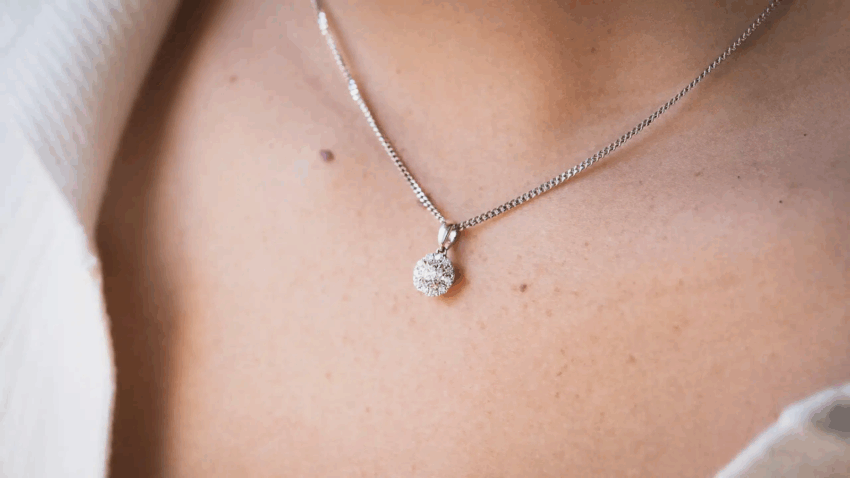
artistry that combines aesthetic appeal with meaningful symbolism. However, creating a beautiful piece is only part of the jeweller’s challenge. Ensuring that a custom made necklace is not just visually stunning but also durable and long-lasting requires meticulous attention to detail and expert craftsmanship. This article explores how jewellers guarantee the quality and durability of custom made necklaces through careful material selection, precise craftsmanship, and thorough quality control.
The Role of Jewellers in Selecting Superior Materials
One of the foundational steps jewellers take to ensure the quality and longevity of custom made necklaces is the careful selection of raw materials. The choice of metals, gemstones, and other components directly influences the necklace’s resilience and appearance over time.
Jewellers typically work with precious metals such as gold, platinum, and sterling silver. Each metal has its own characteristics regarding strength, malleability, and resistance to tarnish or corrosion. For example, platinum is prized for its exceptional durability and hypoallergenic properties, making it an excellent choice for pieces expected to endure daily wear. Gold, often alloyed to improve its hardness, balances beauty and strength, while sterling silver is frequently coated or alloyed to prevent tarnishing.
In addition to metals, the selection of gemstones also plays a critical role. Jewellers source authentic, high-quality stones that can withstand regular handling without losing their brilliance or structural integrity. Treatments like heat strengthening or coatings may be applied to enhance durability while maintaining the gem’s natural beauty.
Precision Craftsmanship in Creating Custom Made Necklaces
The process of crafting a custom made necklace demands high precision and expert skill. Jewellers employ advanced techniques and traditional handcrafting methods to create designs that meet the client’s vision while ensuring structural soundness.
Every stage—from sketching the initial design to casting and finishing—requires rigorous attention. For instance, during casting, jewellers must ensure that the molten metal fills the mold completely and cools evenly to avoid weak spots or imperfections. Skilled artisans carefully shape and solder the necklace components, paying close attention to connections and clasps, which are common points of failure if not executed properly.
Furthermore, jewellers often use computer-aided design (CAD) and 3D modeling to preview the necklace’s form and structure before production. This technology allows them to identify and resolve potential weaknesses in the design, such as thin links or fragile settings, thereby preventing future damage.
Ensuring Durability Through Structural Design
Beyond material choice and craftsmanship, the design of a custom made necklace profoundly impacts its durability. Jewellers consider factors like chain thickness, link type, and clasp mechanism to optimize strength without compromising elegance.
Heavier, thicker chains typically offer greater resistance to breakage, especially for daily wear. Some jewellers prefer chain styles known for durability, such as box or rope chains, because their interlocking links reduce the risk of snapping. Clasps are also engineered to be secure yet easy to operate, using reliable locking mechanisms like lobster claws or spring rings.
Additionally, jewelers pay attention to how gemstones are set. Prong settings must be sturdy enough to hold stones firmly, while bezel settings offer even greater protection by encasing the gem in metal. Proper stone setting prevents loosening or loss over time.
Quality Control and Final Inspection by Jewellers
After production, jewellers implement comprehensive quality control procedures to confirm the custom made necklace meets rigorous standards. This final stage ensures any flaws or weaknesses are detected and corrected before the piece reaches the customer.
Quality control typically involves a detailed visual inspection under magnification to check for surface imperfections, uneven finishes, or weak joints. Jewellers also test clasps and links for smooth operation and robustness. In some cases, pieces undergo stress testing to simulate everyday wear and assess resistance to tension or impact.
Polishing and finishing are the last steps, enhancing the necklace’s appearance while applying protective coatings to reduce tarnish or scratches. Jewellers may also provide care instructions to customers, outlining maintenance practices to preserve the necklace’s beauty and durability.
Conclusion
Crafting a custom made necklace that balances beauty with durability requires the jeweller’s unwavering dedication to quality at every stage. From selecting premium materials and employing expert craftsmanship to designing for structural integrity and conducting thorough quality checks, jewellers invest considerable expertise to create pieces that stand the test of time.
For anyone commissioning a custom made necklace, understanding the meticulous processes jewellers follow provides confidence that their investment will not only be a treasured adornment but also a lasting symbol of artistry and craftsmanship. This commitment to excellence is what truly distinguishes custom jewellery in the realm of fine accessories.