
Introduction
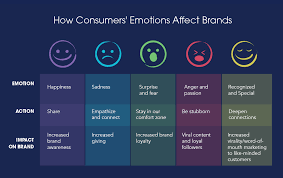
In the dynamic and competitive landscape of marketing, connecting with consumers goes beyond product features and pricing. Emotional branding has emerged as a powerful strategy, emphasizing the creation of emotional connections between a brand and its audience. This article explores the significance of emotional branding in marketing and its impact on building lasting relationships with consumers.
Creating Memorable Experiences
Emotional branding focuses on creating memorable and positive experiences for consumers. Brands that evoke emotions, whether joy, nostalgia, or inspiration, leave a lasting impression. These emotional connections contribute to brand recall, making consumers more likely to choose and remain loyal to a brand that has left a positive emotional impact.
Building Brand Loyalty
Loyalty is often rooted in emotion. When consumers feel a deep connection with a brand, they are more likely to become loyal customers. Emotional branding fosters a sense of attachment, making customers choose a particular brand over competitors even when faced with similar alternatives. This loyalty extends beyond transactions and influences long-term relationships.
Differentiation in a Crowded Market
In a saturated market where products and services can be similar, emotional branding provides a unique differentiator. Brands that successfully evoke emotions stand out from the crowd. The emotional connection becomes a distinguishing factor that sets a brand apart and influences consumers’ perceptions of value and identity.
Establishing Brand Identity
Emotional branding contributes to the establishment of a distinct brand identity. By associating a brand with specific emotions and values, it creates a personality that resonates with the target audience. This unique identity becomes a driving force in shaping consumer perceptions and influencing their decision-making processes.
Enhanced Customer Engagement
Emotional branding enhances customer engagement by creating content and messaging that resonates with the emotions of the audience. Interactive and emotionally charged campaigns, whether through storytelling or experiential marketing, captivate consumers and encourage active participation. Engaged customers are more likely to share their experiences, contributing to organic brand advocacy.
Emotional Resonance Across Touchpoints
Consistency in emotional resonance across various touchpoints is crucial for successful emotional branding. From advertisements to social media content and customer interactions, maintaining a cohesive emotional message ensures that consumers experience a seamless and unified emotional connection with the brand.
Addressing Consumer Values
Consumers increasingly seek brands that align with their values and beliefs. Emotional branding allows brands to communicate shared values, whether it’s environmental sustainability, social responsibility, or inclusivity. Brands that authentically address consumer values build trust and credibility.
Fostering Trust and Reliability
Trust is a fundamental component of successful brand-consumer relationships. Emotional branding builds trust by creating authentic and relatable narratives. Consumers are more likely to trust brands that openly share their values and emotions, fostering a perception of reliability and integrity.
Evoking Positive Associations
Positive emotions associated with a brand contribute to positive brand associations. Whether through heartwarming stories, humor, or inspirational messages, brands that evoke positive emotions become ingrained in the minds of consumers as sources of joy, comfort, or inspiration.
Adaptability and Resilience
Emotional branding allows brands to adapt to changing consumer sentiments and navigate challenges more resiliently. Brands with strong emotional connections can weather crises more effectively as loyal consumers are likely to remain supportive during challenging times.
Influencing Purchase Decisions
Emotional branding plays a significant role in influencing consumer purchase decisions. Consumers often make choices based on emotions rather than rational considerations. Brands that tap into emotions create a compelling reason for consumers to choose their products or services.
Encouraging Brand Advocacy
Consumers emotionally connected to a brand are more likely to become advocates. These brand advocates willingly promote the brand to their social circles, extending the brand’s reach organically. Word-of-mouth recommendations from emotionally engaged customers carry significant weight and influence.
Long-Term Customer Retention
Emotional branding contributes to long-term customer retention. Brands that consistently evoke positive emotions create a bond that extends beyond individual transactions. Customers emotionally invested in a brand are less likely to be swayed by competitor offerings.
Measuring Emotional Impact
Advancements in analytics and data tracking allow brands to measure the emotional impact of their campaigns. Analyzing consumer responses, sentiment analysis, and tracking emotional engagement metrics provide valuable insights into the effectiveness of emotional branding strategies.
Evolution of Brand Narratives
Emotional branding allows brands to evolve their narratives over time. As consumer preferences and cultural contexts change, brands can adapt their emotional messaging to stay relevant and connect with new generations of consumers.
Conclusion
In the ever-evolving landscape of marketing, emotional branding emerges as a potent force that transcends traditional marketing approaches. Building emotional connections with consumers is not just about selling products; it’s about creating meaningful experiences and lasting relationships. Brands that prioritize emotional branding find themselves not only in the hearts of consumers but also in the forefront of their choices.