
Introduction
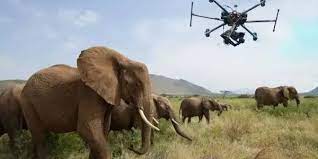
In the vast realm of wildlife conservation, the integration of Artificial Intelligence (AI) has emerged as a game-changer. AI in wildlife monitoring involves the use of advanced technologies to enhance data collection, analysis, and conservation efforts. This article delves into the potential of AI in wildlife monitoring, shedding light on its transformative impact and the myriad applications that contribute to the protection of our planet’s diverse ecosystems.
Limitations of Manual Monitoring
Traditionally, wildlife monitoring relied heavily on manual methods, presenting challenges such as limited coverage, time-consuming processes, and potential biases. The human-centric approach struggled to keep pace with the vast and dynamic nature of ecosystems, leading to incomplete data and delayed responses to conservation needs.
Technological Gaps
While technology played a role, gaps persisted. Outdated surveillance methods and insufficient data analysis hindered effective conservation strategies. This prompted the need for a revolutionary shift, and AI stepped in to bridge the gaps and revolutionize wildlife monitoring.
Overview of AI Technologies
AI encompasses various technologies, including machine learning, computer vision, and natural language processing. In the context of wildlife monitoring, these technologies empower systems to learn from data, identify patterns, and make informed decisions. The result is a more efficient and accurate monitoring process.
Advantages of AI in Data Analysis
One of the key advantages of AI lies in its ability to analyze vast datasets swiftly. With AI, researchers can process information from camera traps, acoustic sensors, and satellite imagery in real-time, providing timely insights into wildlife behaviors, population dynamics, and habitat changes.
Camera Traps and Image Recognition
AI-driven image recognition has revolutionized camera trap technology. Cameras equipped with AI can identify and categorize species, track their movements, and even estimate population sizes. This not only streamlines data collection but also enhances our understanding of wildlife behaviors.
Acoustic Monitoring with AI
In the realm of acoustic monitoring, AI excels in distinguishing between different animal sounds. By analyzing audio data, AI algorithms can identify species, detect distress calls, and alert researchers to potential threats. This application proves invaluable in remote areas where visual monitoring may be challenging.
Satellite Technology and AI Integration
Satellite technology, when coupled with AI, provides a comprehensive view of large-scale ecosystems. AI algorithms can process satellite imagery to monitor changes in vegetation, identify deforestation patterns, and assess the impact of human activities on wildlife habitats.
Conclusion
In conclusion, the potential of AI in wildlife monitoring is immense, reshaping the landscape of conservation efforts globally. From advanced data analysis to real-time surveillance, AI contributes significantly to our understanding of wildlife, helping us protect and preserve biodiversity. However, as we embrace these technological advancements, it is crucial to maintain a balance between AI and traditional conservation methods, addressing ethical considerations and fostering collaborations. The future of wildlife monitoring lies in a harmonious integration of AI, citizen science, and human expertise, working together to safeguard our planet’s precious ecosystems.
FAQs
Is AI in wildlife monitoring replacing traditional conservation methods entirely? No, AI complements traditional methods, enhancing efficiency and accuracy in monitoring while preserving the human touch in conservation efforts.
How can the public contribute to AI-powered wildlife monitoring? Citizen science platforms allow individuals to contribute observations and data, actively participating in the monitoring and protection of wildlife.
Are there privacy concerns associated with AI in wildlife monitoring? Yes, privacy concerns arise, and it is crucial to establish ethical guidelines to ensure responsible AI implementation, balancing effective monitoring with privacy protection.