
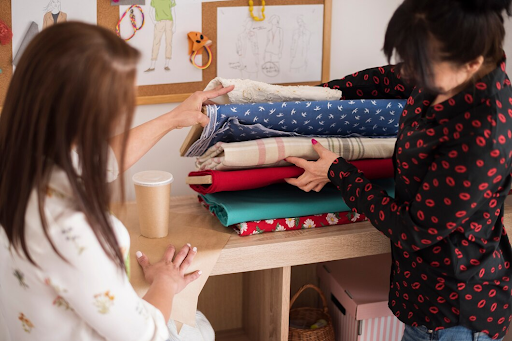
Selecting the right quilting fabric is one of the most important steps for beginners. It can feel overwhelming at first, especially with the variety of options available. However, with a bit of knowledge, you can choose fabrics that will make your quilting experience enjoyable and successful.
Types of Quilting Fabric
When starting out, it’s essential to understand the different types of quilting fabric. Cotton is the most commonly used fabric in quilting. It’s versatile, easy to work with, and comes in a variety of colors and patterns. Many beginners start with cotton because it’s both durable and manageable.
Other fabrics like flannel or linen can also be used, but they may require more care and expertise. While they offer different textures and finishes, they may not be as forgiving as cotton.
Choosing the Right Fabric Weight
Fabric weight plays a significant role in the final look and feel of your quilt. Quilting fabric typically ranges from light to heavy weight. Beginners should aim for a medium-weight fabric. Medium-weight fabrics are easy to sew and hold their shape well, making them perfect for piecing together quilt blocks.
Choosing a fabric that is too heavy or too light may make it difficult to achieve the desired results, especially for a beginner. Pay attention to the weight and feel the fabric before purchasing.
Selecting Fabrics That Complement Each Other
One key to a beautiful quilt is selecting fabrics that complement each other. Beginners often get excited by bold patterns but forget to consider how those patterns will work together. It’s important to choose fabrics that blend well and don’t clash. Start by choosing one or two focal fabrics, then select supporting fabrics that work with those choices.
A general rule is to mix light, medium, and dark fabrics. This creates a balanced and visually appealing quilt. Make sure there is contrast between fabrics, as this will help the quilt’s design stand out.
Pre-Washing Your Quilting Fabric
A crucial step many beginners overlook is pre-washing their quilting fabric. Fabric can shrink or bleed when washed, and this can affect your finished quilt. Pre-washing your fabric ensures it will retain its size and color after the quilt is finished. It’s a simple step that can save you time and frustration later on.
When washing quilting fabric, use cold water and a gentle cycle. Avoid using fabric softener, as it can alter the fabric’s texture. Once washed, press the fabric with an iron to remove any wrinkles, which will make it easier to cut and sew.
Consider the Quilt’s Purpose
Lastly, think about the purpose of the quilt you’re creating. If it’s a decorative quilt, you may have more freedom to choose vibrant or patterned fabrics. However, if the quilt is for practical use, such as a bedspread or a throw, consider how durable the fabrics are. Quilting fabric with a higher thread count tends to hold up better over time.
Conclusion
By understanding these essential tips and carefully selecting your quilting fabric, you’ll be well on your way to creating beautiful quilts that stand the test of time. Remember that quilting is a craft that requires patience and practice, so don’t rush the process. Each quilt you make is an opportunity to learn and grow as a quilter.