
Managing a fleet of vehicles, whether for logistics, transportation, or industrial purposes, comes with a unique set of challenges. Fleet owners need to ensure that their vehicles remain reliable, compliant with regulations, and cost-effective to operate. Beyond simply buying trucks and equipment, a successful fleet operation depends heavily on a variety of specialized services. These services help maintain vehicle performance, reduce downtime, and improve overall efficiency. In this guide, we’ll explore the essential services every fleet owner should consider.
Terminal Tractor Repair: A Key to Longevity
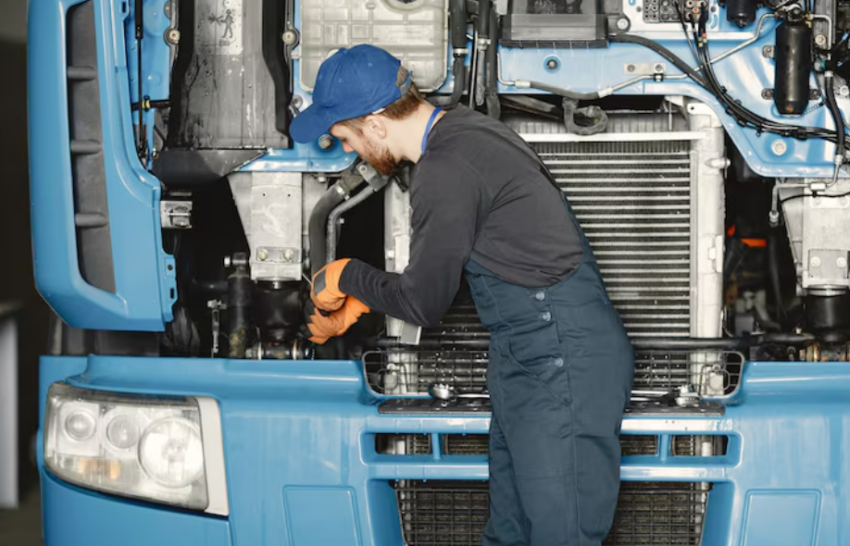
Terminal tractors are the backbone of many shipping yards and warehouse operations, responsible for moving heavy trailers efficiently and safely. Regular terminal tractor repair is crucial to prevent costly breakdowns and extend the lifespan of these vehicles. From engine maintenance to transmission servicing, professional repair services ensure that terminal tractors remain in optimal working condition, reducing unexpected downtime and keeping operations on schedule. By prioritizing terminal tractor repair, fleet owners safeguard both their equipment investment and their operational reliability.
Mobile Truck Wash Services: Maintaining a Professional Image
A clean fleet is not just about appearances—it also contributes to vehicle longevity. Mobile truck wash services provide convenient cleaning solutions directly at your fleet’s location. This eliminates the need to transport vehicles to a separate facility, saving time and labor costs. Regular mobile truck wash services help prevent corrosion, remove grime that can damage paintwork, and maintain compliance with hygiene standards, especially for fleets involved in food or pharmaceutical transport. Beyond aesthetics, a well-maintained exterior reflects positively on the business and reinforces a professional image.
Preventive Maintenance Programs: Reducing Unexpected Breakdowns
For fleet owners, unplanned vehicle downtime can be a significant financial burden. Preventive maintenance programs are designed to identify potential issues before they become major problems. These services include routine inspections, oil changes, brake checks, and tire rotations. By following a scheduled maintenance plan, fleet owners can ensure that vehicles operate safely and efficiently. Preventive maintenance not only reduces repair costs but also extends the service life of each vehicle, making it a critical aspect of fleet management.
Fuel Management Solutions: Controlling Costs
Fuel is one of the largest expenses for fleet operations, and without proper monitoring, costs can quickly spiral out of control. Fuel management solutions allow fleet owners to track fuel usage, monitor consumption patterns, and prevent fraud or misuse. Advanced systems can provide real-time reporting on fuel efficiency and identify areas where savings can be made. Implementing these solutions helps optimize fleet performance, improve route planning, and ultimately lower operational costs.
GPS Tracking and Fleet Telematics: Enhancing Efficiency
Technology has revolutionized fleet management, and GPS tracking and telematics systems are at the forefront of this transformation. These services provide real-time data on vehicle location, speed, and usage patterns. Fleet owners can use this information to optimize routes, monitor driver behavior, and ensure compliance with safety regulations. Telematics data also helps schedule maintenance proactively, improving both operational efficiency and vehicle longevity. In a competitive industry, leveraging technology through GPS tracking and telematics can make a significant difference in fleet performance.
Tire and Wheel Services: Safety First
Tires and wheels are critical components of any fleet, and their condition directly impacts safety and fuel efficiency. Professional tire and wheel services include regular inspections, alignments, and replacements. Maintaining proper tire pressure and ensuring even wear not only enhances vehicle safety but also improves fuel efficiency and reduces long-term maintenance costs. Fleet owners who invest in regular tire services can prevent accidents and keep their vehicles operating at peak performance.
Conclusion
Operating a fleet requires more than just vehicles—it demands a comprehensive approach to maintenance, safety, and efficiency. Services such as terminal tractor repair, mobile truck wash, preventive maintenance, fuel management, GPS tracking, and tire services all play crucial roles in keeping a fleet running smoothly. By investing in these services, fleet owners can reduce downtime, control costs, and ensure that their operations remain reliable and professional. A proactive approach to fleet management not only protects the bottom line but also builds a reputation for dependability and excellence in service.