
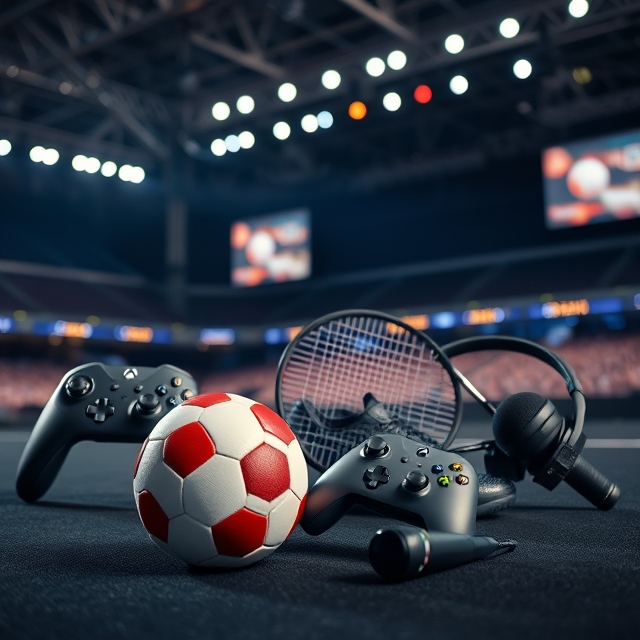
Equipment often works quietly in the background of a great sporting event, game night, or live show. A reliable microphone helps a commentator cut through crowd noise; a well-fitted helmet can support an athlete’s safety; and responsive controllers can make a competitive game feel fair. For fans, players, performers, and the people who cover them, understanding the gear behind the experience can make entertainment more engaging and informed.
Equipment Can Change the Experience
In sports, equipment affects performance as well as presentation. The right footwear can offer grip on a particular court, while a properly sized racket or set of clubs can make practice more comfortable. Protective equipment matters too, from mouthguards to pads. These choices do not guarantee results, but suitable gear can help athletes move with confidence and reduce avoidable discomfort.
Technology also shapes what spectators see. Cameras, timing systems, scoreboards, and broadcast microphones help turn activity on the field into a clear story for people watching from the stands or at home. When equipment is poorly chosen or fails, the effect can be immediate: a missed replay, unclear commentary, or a delay that interrupts the event.
Games and live entertainment have their own equipment needs. A console or gaming PC is only part of a setup; displays, controllers, headsets, and stable network connections can all affect play. On a stage, lighting rigs, speakers, instruments, and mixing boards influence how a performance reaches the audience. In each case, the equipment should suit the setting and the people using it rather than simply offer the longest list of features.
Choose Gear for the Actual Use
Before buying or renting equipment, define the job it needs to do. A recreational runner’s priorities will differ from those of a track athlete, just as a casual player’s needs differ from a tournament competitor’s. Consider how often the gear will be used, who will use it, and whether it needs to travel. A portable speaker for a small gathering, for example, has different demands from a sound system serving a large venue.
Comfort and compatibility deserve as much attention as headline specifications. Check sizing, adjustability, connection types, battery life, and whether accessories are included or sold separately. For safety-related equipment, fit and condition are especially important. If the item is used, inspect it carefully and follow the manufacturer’s guidance about wear, maintenance, and replacement.
It also helps to set a realistic budget that includes upkeep. Batteries, replacement parts, software updates, repairs, and protective cases can add to the initial price. Reading several independent reviews can reveal recurring strengths or problems, but match those comments to your own use. A feature that matters to a professional may make little difference to a fan watching a game at home.
Why Good Equipment Coverage Helps Fans
Clear equipment coverage gives readers a way to make sense of choices that can otherwise feel technical. A useful article explains who a product is for, how it performs in realistic conditions, and what trade-offs come with it. Instead of repeating a specification sheet, it might compare how two basketball shoes feel during indoor play, or explain why a headset’s microphone matters in team gaming.
Writers and publishers should also be precise about the limits of their claims. Equipment can support performance, comfort, or accessibility, but it cannot replace practice, coaching, or good event planning. Testing methods, intended audiences, and relevant safety considerations should be clear. For brands and editors looking for specialist publication opportunities,equipment-focused websites can help identify outlets whose readers are already interested in tools and gear across different fields.
Making Specialist Articles More Useful
A strong equipment article starts with a focused question. Rather than trying to cover every type of sports or entertainment gear at once, a writer can examine one decision: what to consider in a beginner’s tennis racket, how to choose a streaming microphone, or what features matter in a gaming monitor. Specific questions make it easier to research, compare options, and offer advice readers can use.
Editors working on a tight schedule may bring in freelance help, but clear instructions are essential. Define the audience, article length, research expectations, and the points the piece must address before assigning the work. Ask for relevant samples and agree on a review process, including how factual corrections will be handled. Resources such as Osdire’s guide to hiring writers can help publishers think through scope and quality while keeping a project manageable.
Whether you are choosing gear for personal use or creating coverage for an audience, begin with the real-world purpose. Compare only the features that matter, check fit and upkeep, and explain trade-offs honestly. That approach helps fans enjoy the equipment behind the action and gives readers practical information they can carry into their next game, match, or show.